
Intermountain Health Doctors Perform 100th Surgical Procedure to Improve Lives of Epilepsy Patients Using High-Tech Brain Implants to Reduce Seizures
Salt Lake City, UT (PRUnderground) July 9th, 2026
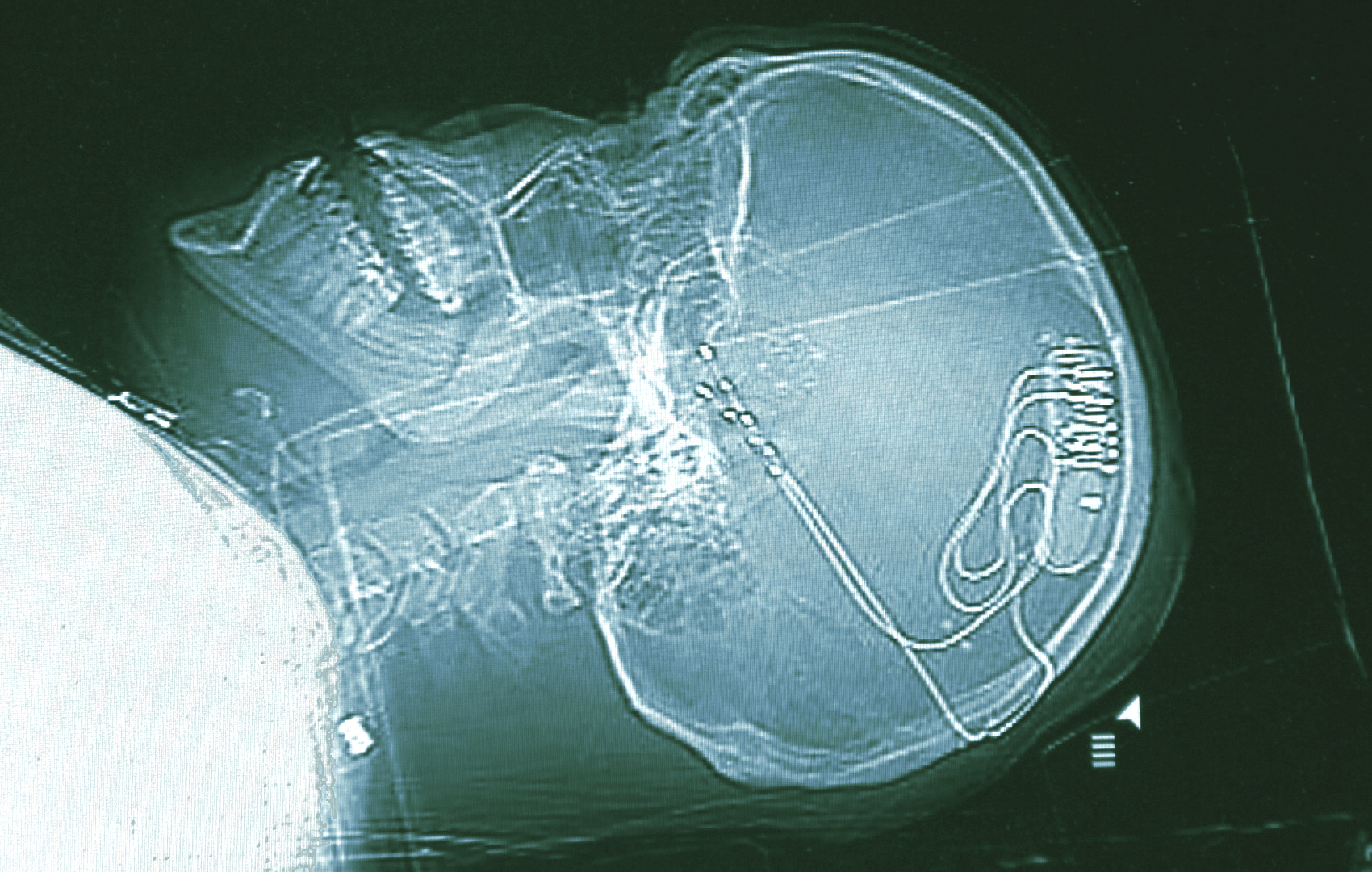
Intermountain Health neurologists are celebrating the 100th surgery of a innovative implantable device that is proving to be a major success in reducing seizures in patients with patients with focal epilepsy.
The device – responsive neurostimulation (RNS), which is manufactured by Neuropace – uses electrodes placed on the brain surface or in deeper brain areas to monitor brain waves 24/7.
When the device detects abnormal activity, it quickly sends an impulse that stops it from spreading and becoming a seizure. Some studies have shown an 82 percent reduction in the number of seizures for patients.
Doctors at Intermountain Medical Center in Murray, where the device has been implanted, are already seeing life-changing results for patients with epilepsy – most of whom didn’t respond to other treatments in the past.
“This is making an incredible difference in the lives of people who have suffered with seizures for years when other treatments haven’t worked,” said Jeff Bigelow, MD, medical director of EEG systems at Intermountain Health and a neurologist at Intermountain Medical Center who specializes in the treatment of patients with epilepsy and seizure disorders. “Seeing these levels of improvement in seizure control and overall quality of life is very encouraging for both us and our patients.”
Long term studies show 3 out of 4 patients implanted with the device experience a 50 percent or greater reduction in seizures. Other studies have shown the average reduction in seizures reached up to 82 percent after three years or more. The device’s battery lasts up to 10 years.
Whitney Wilkinson of Sandy has been dealing with epilepsy since she was 12 years old and experienced years of treatments and multiple surgeries to try and manage her seizures.
Five years ago, neurosurgeons at Intermountain Medical Center told her about the RNS device and how it could help her. Since then, she’s seen a dramatic reduction in her seizures.
“I literally have a computer in my brain that monitors activity 24/7, learns to detect seizures, and stops them milliseconds before happening,” said Wilkinson. “Thanks to this and other treatments from my doctors I feel confident traveling the world on my own and living a normal life with epilepsy.”
Wilkinson can also upload data from her device so that doctors can adjust it in real time to better control her seizures. All of this takes place without neurosurgeons having to go back into the brain surgically.
Since gaining FDA approval in 2013, RNS devices have been used to treat focal epilepsy, which is a seizure disorder that occurs in a localized part of the brain and can spread causing more severe symptoms.
Early signs of focal epilepsy can look like twitching of a limb or staring off in confusion.
Generalized epilepsy starts in both parts of the brain and can cause more severe symptoms like convulsions and losing consciousness. After the recent success of RNS devices, the FDA is now reviewing whether it can be used for those conditions.
“After seeing the success in the reduction of the symptoms our patients, I’m hopeful this could be an option for any patient with difficult to treat forms of epilepsy,” said Dr. Bigelow. “For many patients the fear of now knowing when or how bad a seizure can be gives them a constant anxiety in life and we want to change that.”
Dr. Bigelow notes the devices do take time to work to their full potential. They must monitor symptoms and adjust to fit a patient’s specific needs, which can take one to three years.
The Intermountain Epilepsy Clinic is part of the Intermountain Medical Center Neurosciences Institute. The program specializes in diagnosing and treating epilepsy and seizure disorders in adolescents and adults, and is a Level 4 Adult Epilepsy Center, the highest designation awarded by the National Association of Epilepsy Centers (NAEC).
About Intermountain Health
Headquartered in Utah with locations in six states and additional operations across the western U.S., Intermountain Health is a nonprofit system of 34 hospitals, approximately 400 clinics, medical groups with some 4,600 employed physicians and advanced care providers, a nonprofit health plan called Select Health with more than one million members, and other health services. Helping people live the healthiest lives possible, Intermountain is committed to improving community health and is widely recognized as a leader in transforming healthcare by using evidence-based best practices to consistently deliver high-quality outcomes at sustainable costs. For up-to-date information and announcements, please see the Intermountain Health newsroom at https://news.intermountainhealth.org/. For more information, see intermountainhealth.org/ or call 801-442-2000.
The post Using Brain Implants, Intermountain Health Performs 100th Procedure to Reduce Epilepsy Seizures first appeared on
Original Press Release.


