NEW ORLEANS, LA, UNITED STATES, August 7, 2026 /EINPresswire.com/ — Tourism opens the door to new experiences, local culture, and memorable destinations, but travel can present unique challenges for visitors with mobility limitations. Accessible transportation plays an important role in helping individuals with disabilities, seniors, and those recovering from injuries participate in sightseeing, cultural events, family gatherings, conventions, and other travel activities with greater confidence and independence.
Communities that prioritize accessible transportation create opportunities for more people to enjoy local attractions while supporting broader participation in the tourism economy. From airports and hotels to museums, restaurants, entertainment venues, and historic districts, dependable transportation helps bridge the gap between arrival and destination.
For many travelers, transportation is one of the first considerations when planning a trip. Visitors often research whether wheelchair-accessible vehicles, trained drivers, and reliable scheduling are available before finalizing travel plans. Accessible transportation services can help reduce uncertainty by providing vehicles designed to accommodate wheelchairs and other mobility devices while assisting passengers throughout the travel experience.
New Orleans remains one of the nation’s most visited cities, attracting millions of travelers each year for festivals, sporting events, conventions, music, history, and cuisine. While many attractions continue improving accessibility, navigating a busy city with uneven sidewalks, crowded streets, and historic neighborhoods may present additional challenges for individuals with mobility impairments. Transportation providers familiar with local routes and accessibility considerations can help travelers move more comfortably between destinations.
Accessible transportation also benefits a growing segment of older adults who remain active travelers. Many seniors enjoy traveling independently but may require additional assistance because of reduced mobility, balance concerns, or the use of walkers, scooters, or wheelchairs. Transportation designed with accessibility in mind allows these travelers to continue exploring destinations without unnecessary obstacles.
Family vacations often include relatives with varying mobility needs. Accessible transportation allows families to travel together rather than arranging separate vehicles or altering plans because of transportation limitations. This can simplify visits to popular attractions, weddings, reunions, cruises, and special events while helping every member of the group participate.
Convention and business travel also depend on accessible transportation. Large conferences frequently attract attendees from across the country, including professionals who use mobility devices. Reliable transportation between airports, hotels, convention centers, and off-site meetings helps support participation throughout an event without creating unnecessary logistical concerns.
Cruise tourism represents another area where accessible transportation is particularly valuable. New Orleans serves as an embarkation point for numerous cruise itineraries throughout the year. Travelers arriving with luggage, mobility equipment, or medical devices often require transportation capable of accommodating both passengers and specialized equipment while providing a smooth transition between airports, hotels, and cruise terminals.
Medical tourism has likewise contributed to the demand for accessible transportation. Individuals traveling for specialized medical procedures, rehabilitation programs, or ongoing treatments may have temporary or permanent mobility limitations. Safe transportation becomes an important part of the overall travel experience by helping patients attend appointments and return to accommodations comfortably.
Driver training also contributes significantly to accessible transportation. Beyond operating specialized vehicles, drivers often assist passengers entering and exiting vehicles, securing wheelchairs, handling mobility equipment properly, and communicating respectfully with individuals who have varying physical needs. Attention to these details helps create a safer and more comfortable travel experience.
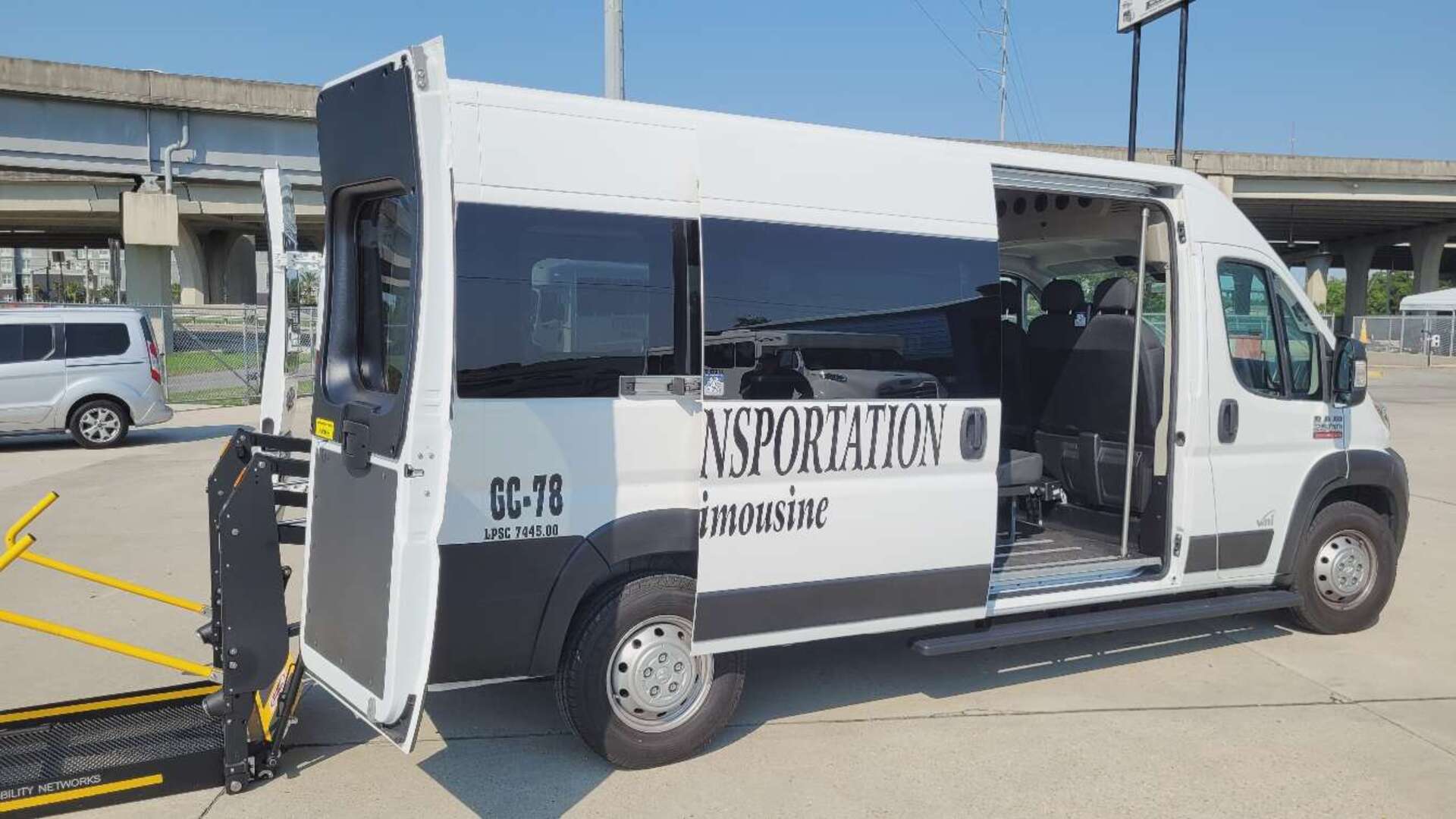
Vehicle design continues evolving to improve accessibility. Features such as wheelchair lifts, lowered floors, secure wheelchair restraint systems, spacious interiors, and accessible entry points allow passengers to travel without transferring from mobility devices whenever possible. These accommodations improve both convenience and safety during transportation.
Technology has further improved trip planning for travelers with disabilities. Reservation systems, communication tools, and advanced scheduling software allow transportation providers to coordinate pickup times, special accommodations, and route planning more efficiently. Better communication between travelers and transportation services helps reduce delays and improves overall travel coordination.
As the population ages and accessible tourism continues expanding, transportation will remain an essential component of inclusive travel planning. Communities that support accessible mobility encourage greater participation from visitors who might otherwise encounter barriers that limit travel opportunities.
“Accessible transportation helps make travel possible for individuals who may face mobility challenges during a trip,” said Milton Walker Jr., owner of Alert Transportation. “Providing dependable transportation allows visitors to focus on enjoying the experiences that bring them to New Orleans while traveling safely and comfortably between destinations.”
Accessible transportation supports more than convenience. It promotes inclusion by helping travelers participate in tourism, family events, business travel, and community activities regardless of mobility limitations. As accessibility continues becoming an important consideration throughout the travel industry, transportation providers remain an essential part of creating welcoming destinations for every visitor.
Morgan Thomas
Rhino Digital, LLC
+1 504-875-5036
email us here
Visit us on social media:
Facebook
Legal Disclaimer:
EIN Presswire provides this news content “as is” without warranty of any kind. We do not accept any responsibility or liability
for the accuracy, content, images, videos, licenses, completeness, legality, or reliability of the information contained in this
article. If you have any complaints or copyright issues related to this article, kindly contact the author above.

Media gallery