
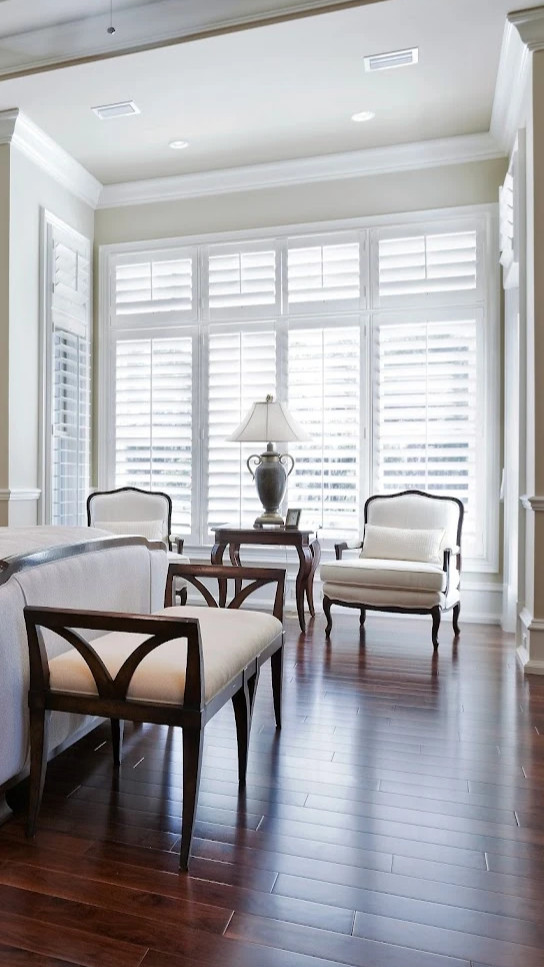
Key Takeaways
- Hinged, bi-fold, and sliding are the three main ways plantation shutter panels open, and each suits a different window or doorway situation
- Bi-fold panels stack to the side on a track and can clear wide openings like doorways and extra-wide windows almost completely
- Sliding shutters move along a track in the same direction as a door, which makes them a practical match for sliding glass doors and large slider windows
- Checking stacking depth and swing clearance before choosing a panel style can prevent furniture conflicts and tight-doorway surprises
Choosing a window treatment style sounds simple until the shutters actually need to open without hitting a bookshelf, a reading chair, or a doorframe. Plantation shutters come in three main operating styles, and the right one depends less on taste and more on how the window or door is actually used day to day. Experts like Monroe Plantation Shutter Pros say that homeowners weighing custom interior shutters can sort through the choice by thinking about three things: how much access is needed, how much room the panels have to move, and how much of the opening needs to stay covered or clear at any given moment.
Three Panel Styles, One Decision
Shutters are custom built to fit nearly any window or door shape, but the panel operation style is what determines how livable that shutter will be once it’s installed. A standard double-hung window, a wide patio door, and a narrow hallway entry all call for different hardware, even if the louvers and frame look similar. Getting this decision right up front saves the hassle of a shutter that looks great closed but is awkward to use every single day.
Monroe Plantation Shutter Pros provides a free in-home design consultation to help homeowners work through this kind of fitting decision. The sections below break down how each style works, where it shines, and what to watch for before committing.
Hinged Shutters Swing Like a Door
Hinged shutters are the classic, most recognizable plantation shutter style. The panel is mounted on a frame and swings open on hinges, much like a small door swinging inward or outward. This style suits standard windows where there’s open floor space nearby and no furniture crowding the sill.
Single- Versus Double-Panel Configurations
A single-panel hinged shutter covers the whole window opening and swings open as one unit, which works well for narrower windows. Wider windows often use a double-panel configuration instead, where two panels meet in the middle and each swings open independently. Double panels can also fold back on themselves in some setups, which trims down how far they need to swing into the room. Either configuration gives full access to the window when open and a clean, uniform look when closed.
Bi-Fold Panels Clear Wide Openings
Wide windows and doorways present a different challenge: a single swinging panel that size would need a lot of open floor space, and a center-split hinged pair can still leave the view chopped in half. Bi-fold shutters solve this by connecting several panels together along a track, where each panel is hinged to the next and folds toward the side as it opens.
Why Panels Stack Fully to the Side
Because the panels are linked and fold accordion-style, a bi-fold configuration can gather itself completely off to one side of the opening. This is especially useful for doorways onto a patio or extra-wide windows, since folding the panels away exposes nearly the entire opening at once rather than leaving sections blocked. A patio door treated this way can open up almost like there’s no shutter there at all, which matters for homes that use that doorway often.
Check Stacking Depth Before Choosing
The panels have to go somewhere once they’re folded, and that stacked bundle takes up real space right beside the window or door frame. A wide opening with four or more panels per side can create a noticeable stack that juts into the room, which matters if there’s a side table, bookshelf, or narrow hallway nearby. Measuring that stacking depth against the actual furniture layout, rather than just the window size, helps avoid a shutter that works fine on paper but bumps into a lamp in practice.
Pick a Left- or Right-Side Fold
Bi-fold shutters can be arranged to fold toward either the left or the right side of the opening, and that choice is part of the layout decision, not an afterthought. The preferred fold side usually comes down to where the clear floor space is and which direction feels more natural for walking through. Deciding this with furniture already in place makes it easier to picture exactly how the open panels will sit day to day.
Sliding Panels Save Swing Space
Some openings just don’t have room for anything to swing outward or fold to the side, and that’s where sliding shutter panels come in. Instead of hinging, these panels glide along a track in the same horizontal direction as the window or door they’re covering, similar to how a sliding closet door works.
Matching Track Direction to Door Travel
For sliding glass doors and large slider windows, lining up the shutter’s travel direction with how the door itself moves keeps the whole setup feeling intuitive. A bench seat under a window, a doorway that opens onto a tight hallway, or any spot where there simply isn’t clearance for an outward swing are good candidates for this style. The louvers tilt to control light and privacy without the panels needing to move at all, and it’s worth closing the louvers flat before sliding the panels so they glide smoothly along the track.
Why Some Coverage Stays Overlapped
Sliding panels run on parallel tracks and pass behind or in front of one another rather than folding fully out of the way, which means a portion of the opening typically stays covered even when the shutters are pushed open. A traditional sliding arrangement might leave roughly half of a sliding glass door covered by a panel at any given time. That trade-off is worth it for openings where swing space just isn’t available, though it gives a meaningfully different experience from the near-total clearance a bi-fold setup offers on a similar-sized opening.
Matching Panels to Furniture and Traffic
The best-looking shutter style on a showroom floor isn’t automatically the right one for a specific room. A reading nook with a chair pulled close to the window favors a style that doesn’t need much swing room, while a formal dining room window with open floor space on both sides can comfortably handle hinged panels. High-traffic doorways, like ones leading to a deck or patio that gets used constantly, tend to do better with bi-fold panels that clear the opening fully rather than sliding panels that leave part of it covered.
Furniture placement, how often the opening gets used, and whether full access matters or occasional access is enough are the practical questions worth answering before settling on a style. A guest bedroom window that opens once a season has very different needs than a kitchen door used multiple times a day. Walking through these scenarios room by room, rather than picking one style for the whole house, tends to produce a better long-term fit.
The Right Fit Balances Access and Coverage
Hinged, bi-fold, and sliding shutters all do the same basic job of controlling light and privacy, but they each strike a different balance between how much access they give, how much room they need, and how much coverage stays in place while open. Hinged panels suit everyday windows with room to spare, bi-fold panels clear generous openings almost entirely, and sliding panels fit tight spaces where nothing can swing outward. Weighing these trade-offs against the actual layout of a room, rather than choosing on style alone, is what makes custom shutters feel effortless for years to come.
For homeowners ready to see how these options look and feel in a real space, consulting a custom shutter service like Monroe Plantation Shutter Pros is a practical next step toward matching panel style to every window and doorway in the house.
Monroe Plantation Shutter Pros
info@monroeplantationshutterpros.com
+1 678 897 8731
2470 Daniells Bridge Road
Building 100 Suite 212
Athens
GA
30606
United States


